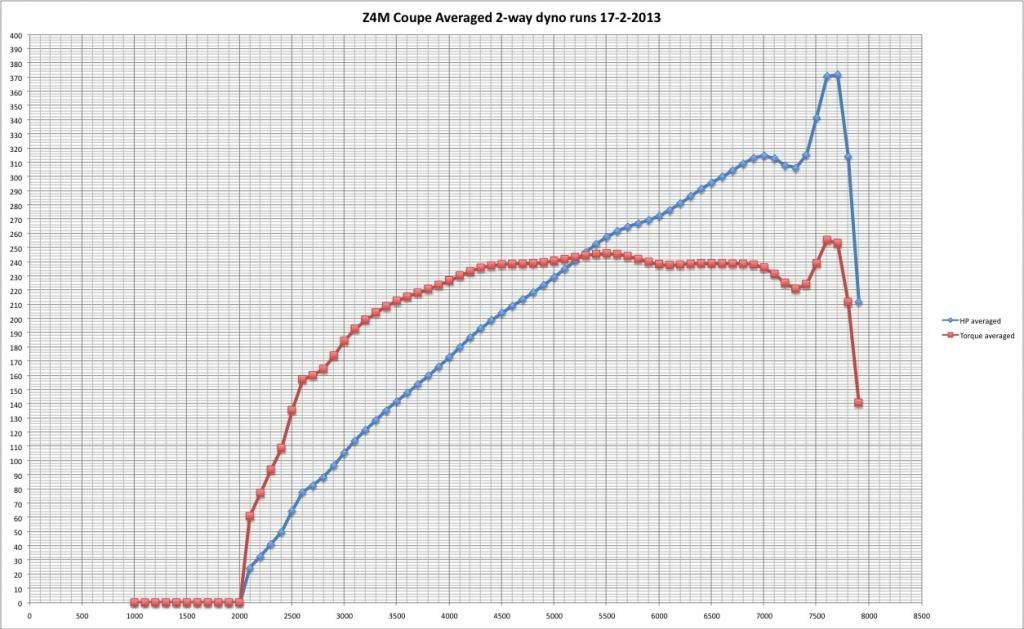
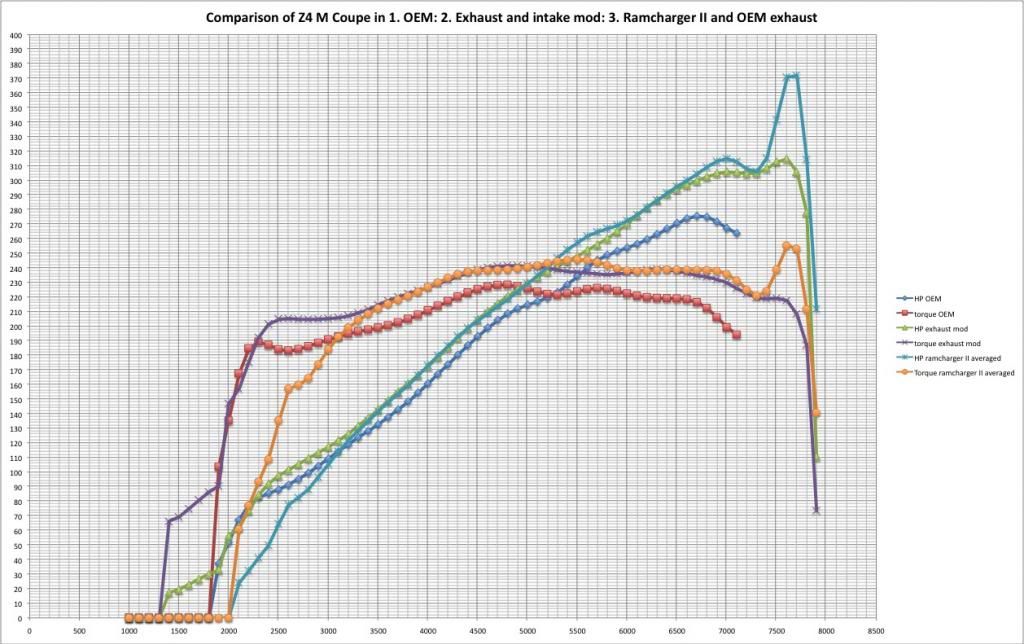
In the case of the S54 engine as I've used, it's not similar, it's the same. The difference between that same engine when it is either supercharged or normally aspirated is not the engine, but instead, it's the method of induction.tertius said:Yes I understand that. That quote was not meant to be exhaustive, my point was that a supercharged engine is not really a similar type of engine as a normally aspirated one.
Surely the BMEP is a measure of engine performance irrespective of the method of induction? Obviously, if you can devise a method of increasing the mass of air that can be ingested by the cylinders, you increase the Volumetric Efficiency, which increases torque/power, and consequently BMEP increases.
Since a well-designed ram-air intake can take the volumetric efficiency above 100%, by definition, this is forced induction. Therefore, at what point do you suggest that the S54 engine ceases to be Normally Aspirating and crosses over into the class of forced induction, where you suggest the engine becomes a different "animal"?
All this says to me is that the same engine will produce a BMEP proportional to the amount of air that it ingests. The concept of BMEP is that it is a kind of "yardstick" which can be used to compare the performance of different engines in much the same way that "hands" is a measure of the height of horses and ponies. Just because ponies are never above 14.2hh, doesn't mean that they can't be compared to horses which may be as tall as 18.2hh.tertius said:Taking the examples from the quote above: the forced induction CI engines are producing BMEPs more than 30% better than the NA CI engines but I don't think we could conclude from that that the NA versions are poorly designed would we?
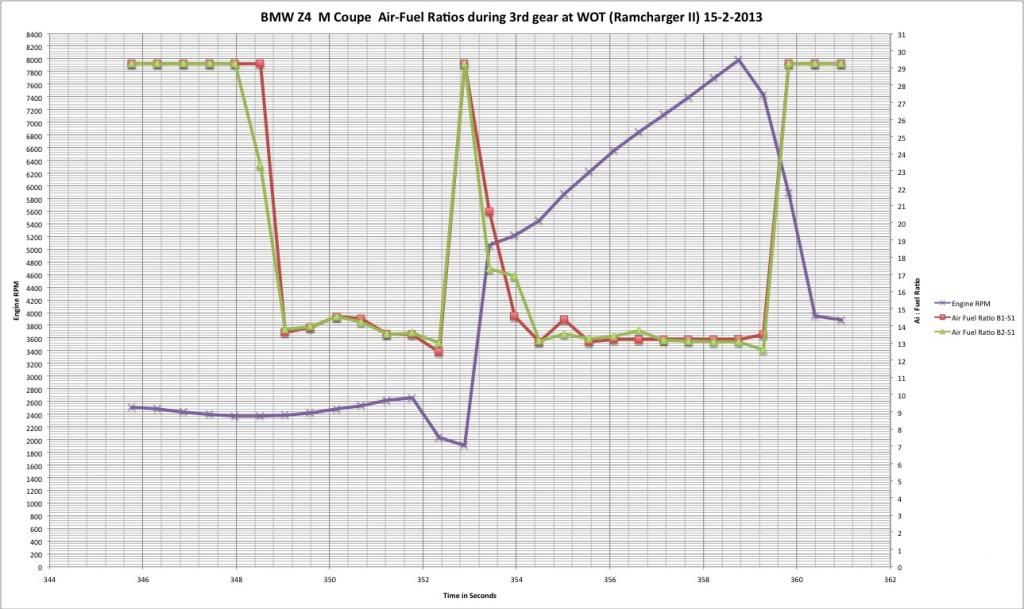
 ) that even a lowly cone filter can confuse the MAF, so this excess of air doesn't send it into a barney?


 Liverpool