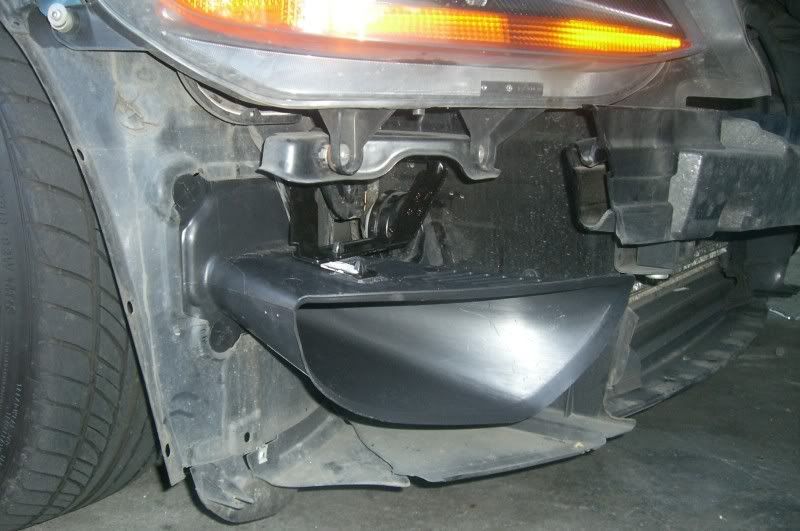
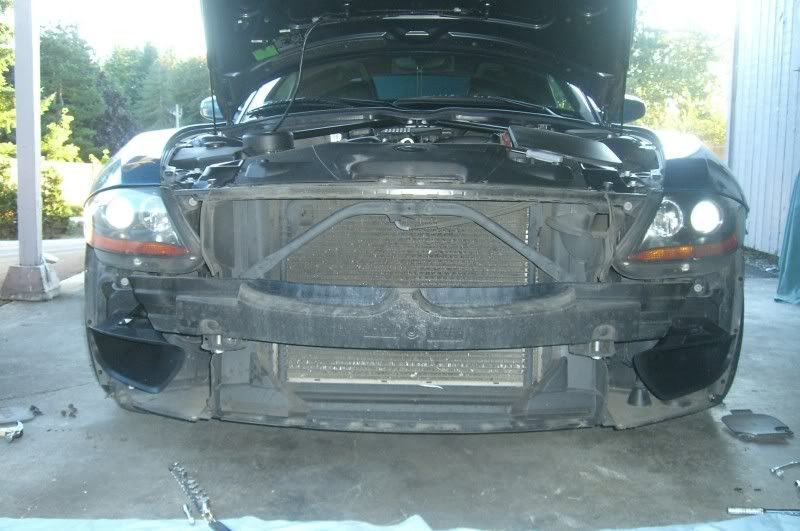
SteveNotto
Member
aquazi said:To play devils advocate..... i have just taken a pic of the M ducts lying in my garage:
Wow , fitted carpet on your garage floor :lol:

aquazi said:To play devils advocate..... i have just taken a pic of the M ducts lying in my garage:
Wow , fitted carpet on your garage floor :lol:
SteveNotto said:Wow , fitted carpet on your garage floor :lol:
exdos said:That's my whole point: the BMW engineers didn't leave much at all and I'm surprised that people on here say the Z4 MC doesn't use the "brake duct" as a cold feed into the air-intake system. But if that's so, I accept it. The BMW engineers have developed an enclosed air intake system which takes it's feeds from areas of high pressure, which they seem to have persisted with and developed in the E36 Z3 where the MC/MR has an extra intake located in the N/S "brake duct"; in the E46 M3 the intake is more complex where air inlets are located in both brake ducts and along the front bonnet edge. In the E92 M3, the inlets are even more developed where there's an additional one on the bonnet. BMW engineers have obviously realised that they're onto something with these designs.Cheburator said:That's a great idea. I am sure my M5 can do with a few extra ponies - I mean, them idiots at BMW left so much on the table, non?
Since the S54 engine is Normally Aspirated (sucking = negative pressure) how is that alfamale wrote: "" I could get max 0.1 psi at full throttle at 8k rpm no restriction in the OEM design so nothing to do here", when 0.1psi is a pressure greater than ambient at WOT? In that scenario, is the engine actually sucking air into it, or is it receiving air by very "mild" forced induction?
I will be delighted to accept if your offer is genuine and not merely an attempt to take the pissHowever, I don't use a butt dyno, I use a proper commercially available datalogger which reads directly from the car's ECU. It comes with bespoke software which works on a PC and all recorded parameters can be read and interpreted on screen. It also allows data export into other formats so that the information can be used in Excel to allow further interpretation in formulas to produce your own graphical presentation of the information. Provided your car has an OBDII socket it should be able to read whatever your ECU sees. I'm only reporting the information that datalogging produces, if you or others think that BMW, and all other manufacturers, install ECUs which tell lies, then so be it. Is your "tantalising offer" serious?
 comments...
aquazi said:To play devils advocate..... i have just taken a pic of the M ducts lying in my garage:
They have the back half blocked, and have a vent on the top:
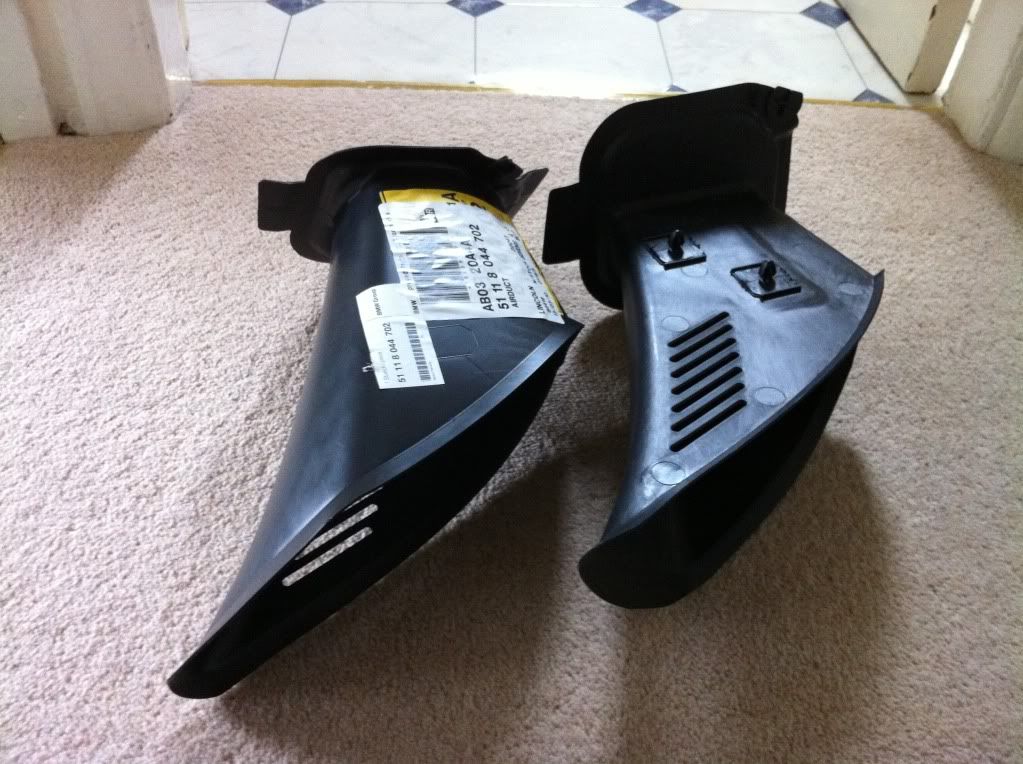
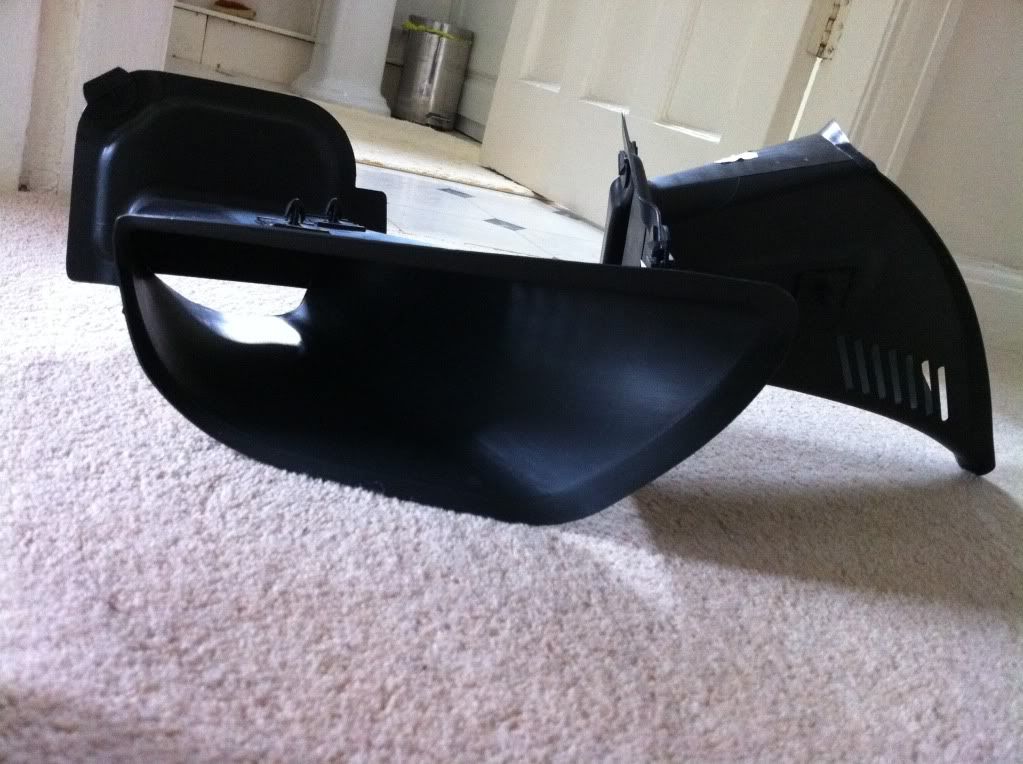
Dont understand the whole increase pressure bit though
Cheburator said:Lastly, to feel any "ram-air" effect, you need to be doing silly speeds. And even then, given the shape of the S54 airbox and ITBs it is most certainly lost.
If you measure the air pressure inside a brake duct which is partially blanked at the back, you will find that it increases above ambient pressure with increase in speed, so where is the air going then? Think inflated windsock with a hole in the side: does air enter into the windsock through the hole in the side, or does it escape from inside the windsock through the hole?BMWZ4MC said:And I shall play Devil's advocate even more by suggestive that since the brake duct is of reducing radius, as air passes from the open mouth at the bumper to the half-blanked exit in wheel arch that air must accelerate. The consequent pressure drop will actually entrain air through the grills into the brake duct as described so eloquently by Giovanni Battista Venturi :roll:
SweetRide said:Point is: CAI's like GruppeM or AFE work well on our cars and have fawk-all to do with our brake vents. They flow better than stock (higher CFM). Welcome to the forums - but inspecting the product first before you advise next time wouldn't hurt
Makes sense to meBMWZ4MC said:aquazi said:To play devils advocate..... i have just taken a pic of the M ducts lying in my garage:
They have the back half blocked, and have a vent on the top:
Dont understand the whole increase pressure bit though
And I shall play Devil's advocate even more by suggestive that since the brake duct is of reducing radius, as air passes from the open mouth at the bumper to the half-blanked exit in wheel arch that air must accelerate. The consequent pressure drop will actually entrain air through the grills into the brake duct as described so eloquently by Giovanni Battista Venturi :roll:

exdos said:If you measure the air pressure inside a brake duct which is partially blanked at the back, you will find that it increases above ambient pressure with increase in speed, so where is the air going then? Think inflated windsock with a hole in the side: does air enter into the windsock through the hole in the side, or does it escape from inside the windsock through the hole?BMWZ4MC said:And I shall play Devil's advocate even more by suggestive that since the brake duct is of reducing radius, as air passes from the open mouth at the bumper to the half-blanked exit in wheel arch that air must accelerate. The consequent pressure drop will actually entrain air through the grills into the brake duct as described so eloquently by Giovanni Battista Venturi :roll:


Lower said:To generate a ram air effect the duct would have to widen rather than taper. To create a static pressure you would need to slow the air down rather than accelerate it, which is what this duct would do.
An F1 airbox is a prime example of this. Relatively small air intake, opening outwards thereafter.

sammyz said:Even by forum standards as nerdy 4 pages of b###ocks as i have read since the 16 pager on 'does a stubby aeriel reduce drag coefficients by more than the gravitational effect of the earth's rotation' debate,- think that was one of CJs
get out there and drive the things
sammyz said:get out there and drive the things
But have the option to buy it back... sammyz said:Even by forum standards as nerdy 4 pages of b###ocks as i have read since the 16 pager on 'does a stubby aeriel reduce drag coefficients by more than the gravitational effect of the earth's rotation' debate,- think that was one of CJs
get out there and drive the things

cragswinter said:So, still no definite answer as to whether you can remove them with the bumper in situ?