 Coventry
Well, I've compared the two, side by side, and the conclusion.
THERE IS NO DIFFERENCE
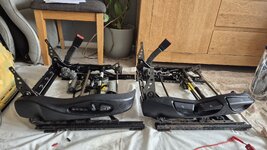
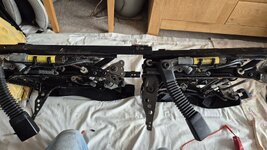
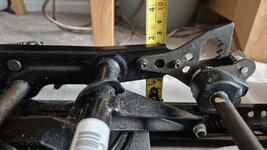
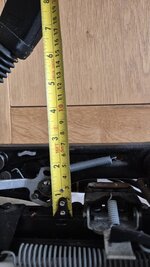
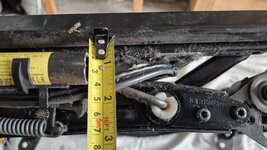
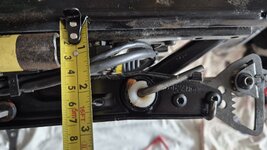
THERE IS NO DIFFERENCE

But electric is more refined as the electric motors are not subject to notched increments.Well I have to say that my 'seat of the pants' approach always notices that electric don't seem to have the same range of movement as manual ones.

Each to their own. Handy to have a fully back setting for easy access/egress, but apart from that they seem to be an unnecessary weight addition. IMO.But electric is more refined as the electric motors are not subject to notched increments.
You can code it to be memory linked to the keys, too, if you both have your own key... Saves even having to press a button!The memory function is nice to have when two of you share the car regularly and have different leg lengths. (aka the wife is short.) It wasn't _terrible_ in the manual seats, but it's nicer just hitting a button and getting the seat where you have it.
We had one with the same issue for a while. Wife being short found it difficult to get out.The memory function is nice to have when two of you share the car regularly and have different leg lengths. (aka the wife is short.) It wasn't _terrible_ in the manual seats, but it's nicer just hitting a button and getting the seat where you have it.
It's more the 'wait' difference.What's the weight difference?

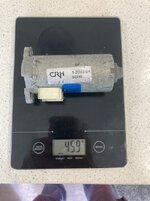
Electric are heavier. I've already fitted bases to the electric mechanisms and I'm not taking them off. I will have another naked electric base to play with in the near future so if I remember I'll update this thread.What's the weight difference?
Yeah, electric has those four motors plus little reducer gearboxes vs. the manual with torsion springs, metal levers/ratchets and the slider locking mechanisms. It has to be more than a kg if each motor alone is 460g though, you're right.I think there are four motors on each seat?
And I assume the mechanism is more weighty too?

 Shropshire, UK