I like the fact that the M has an oil temperature gauge - I've spent lot of time on the track in various race cars watching those and would feel deprived of input if I didn't have one on a race car.
What I don't quite get is why they needed the read out at the bottom AND the lights around the top of the tachometer. Surely the lights would have been sufficient, leaving them the territory at the bottom to stick an oil pressure and/or coolant temp gauge(s). I know that most manufacturers have eliminated oil pressure gauges because their customers panic when they see low pressure when hot at low rpm and this results in untold warranty reports and wasted time, but driving without a coolant temp read out bothers me.
BTW, I have never seen my light show indicate that I can rev the engine above 7500 even though the oil temp reads 210 or so. Is it reading incorrectly or do I need a blistering day in August to have it tell me I can use the actual red line?
On an engine where deteriorating oil pressure from worn bearings is a known issue, seeing the pressure slowly decrease despite never going low enough to trigger a light would be an added information source to let you know ahead of time that you were headed toward bearing replacement.
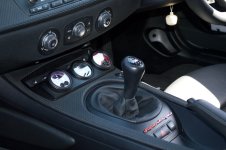
Too bad I hate the look of add on gauges, or I'd be tempted to go that way.
Any thoughts?
What I don't quite get is why they needed the read out at the bottom AND the lights around the top of the tachometer. Surely the lights would have been sufficient, leaving them the territory at the bottom to stick an oil pressure and/or coolant temp gauge(s). I know that most manufacturers have eliminated oil pressure gauges because their customers panic when they see low pressure when hot at low rpm and this results in untold warranty reports and wasted time, but driving without a coolant temp read out bothers me.
BTW, I have never seen my light show indicate that I can rev the engine above 7500 even though the oil temp reads 210 or so. Is it reading incorrectly or do I need a blistering day in August to have it tell me I can use the actual red line?
On an engine where deteriorating oil pressure from worn bearings is a known issue, seeing the pressure slowly decrease despite never going low enough to trigger a light would be an added information source to let you know ahead of time that you were headed toward bearing replacement.
Too bad I hate the look of add on gauges, or I'd be tempted to go that way.
Any thoughts?