
You are using an out of date browser. It may not display this or other websites correctly.
You should upgrade or use an alternative browser.
You should upgrade or use an alternative browser.
Parking Sensors - How Do They Operate
- Thread starter oo7ml
- Start date
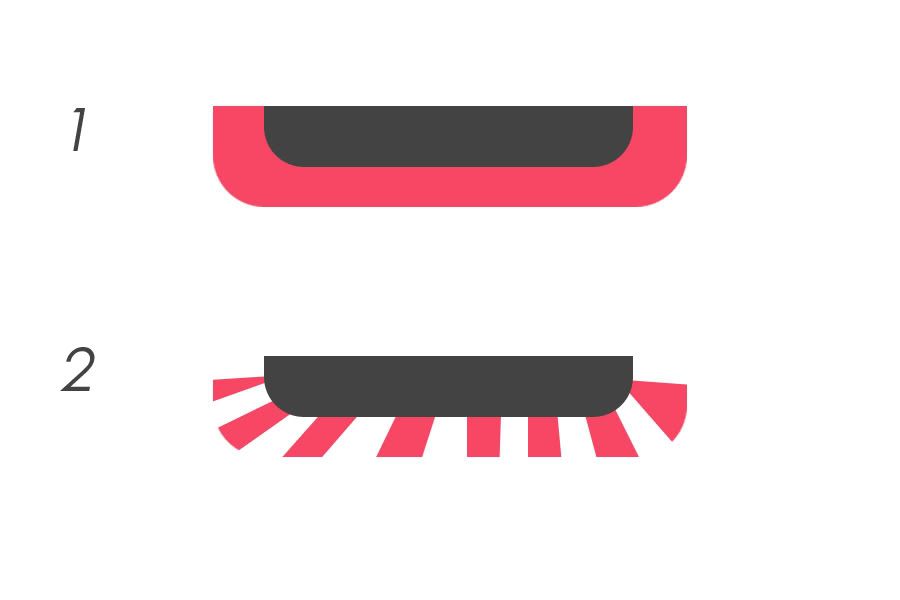
Each sensor emits an ultrasonic ping that radiates out from the sensor. This sound will bounce off any object that is within range and a small amount will reflect back, much like an echo. The sensor will then detect this echo and by timing the delay between the transmission and the reception the distance can be roughly calculated.
The beam pattern from each sensor will be a diverging cone of sound, at some distance away from the vehicle - as each cone expands - the cones will overlap their neighbouring sensor's cone and from that distance on the coverage will be a solid wall. But at very close distances (<30cm) there will be dead zones between each sensor that cannot be detected.
The beam pattern from each sensor will be a diverging cone of sound, at some distance away from the vehicle - as each cone expands - the cones will overlap their neighbouring sensor's cone and from that distance on the coverage will be a solid wall. But at very close distances (<30cm) there will be dead zones between each sensor that cannot be detected.

gapTech said:Doppler requires the emitter and receiver to be moving relative to each other and hence cause a frequency shift (red or blue). This is just echo location and ranging, like sonar.
Not quite. Sonar (SOund NAvigation and Ranging) and frequency shift can be used by to measure range of two moving objects (either using passive or active pings) hence the use of sonar ranging by torpedoes and sumarines to detect and range both moving surface vessels and sub surface vessels. Certainly doesn't require one to be stationary and providing you can measure the outgoing signal the frequency shift in the returning signal delivers range. The movement of the two objects is certainly relative to each other and doesn't require one to be stationary.
That's my point, it wouldn't produce a frequency shift if there was no relative movement between the objects, there has to be relative movement to get this. The frequency shift of the returning signal delivers relative velocity, range is determined by timing the return signal.

AlanJ said:gapTech said:Doppler requires the emitter and receiver to be moving relative to each other and hence cause a frequency shift (red or blue). This is just echo location and ranging, like sonar.
Not quite. Sonar (SOund NAvigation and Ranging) and frequency shift can be used by to measure range of two moving objects (either using passive or active pings) hence the use of sonar ranging by torpedoes and sumarines to detect and range both moving surface vessels and sub surface vessels. Certainly doesn't require one to be stationary and providing you can measure the outgoing signal the frequency shift in the returning signal delivers range. The movement of the two objects is certainly relative to each other and doesn't require one to be stationary.
Well obviously, else bats would have been extinct a long time ago, I mean it would be sitting there for ages waiting until something bumped into it that it could eat
