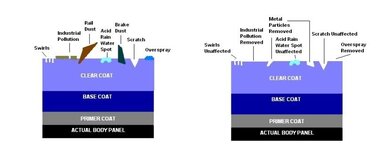
This is a guide to claying, again taken from elsewhere - hopefully I've removed all of the Porsche references! This is a lot more meticulous than I think I would be. Hopefully will be of help to some of you starting out. One thing I would say, it takes a lot less time than you'd think!
(and other products are available!)
We will be ultimately talking about paintwork contamination and how to remove this from your precious Zed.
The majority of paintwork contamination consists of tiny metallic particles. These particles normally come from the trains (wheels & brakes) as well as normal cars. The tiny bare metal particles are extremely hot and normally found in the air nearer the train tracks. They are basically exposed to the air during the braking of cars and train. Slowly but surely they manage to find their way imbedding themselves into the paintwork of our cars. This is often the case on brand spanking new cars before they even reach the dealership!
The above is a more severe form of paintwork contamination but extremely common.
Tree sap is also a common problem along with general industrial pollution.
On darker vehicles it is normally more difficult to spot the tiny bare metal filings but you can definately feel them. On lighter cars you can often see these particles and are normally brown. They are brown because they have basically oxidized and rusted into your paintwork.
By now you may be worrying that your brand new Z4 is actually slowly rotting away. Well, don’t worry guys, there is a cure as to getting your car back to feeling silky smooth again.
We need to basically perform a “clay bar treatment”.
Ultimately it is possible to compound your cars paintwork to remove such impurities but this is the incorrect procedure. Compounding will also remove unnecessary clearcoat thus “cutting” into your paintwork.
The best solution is a clay bar which will safely and effectively remove rail dust and industrial fallout by "pulling" it off the surface.
It also does not “cut” into your paintwork and will not create any damage if used correctly.
http://www.elitedetailer.com stock a clay bar called Zaino Z-18 Clay System and is pictured below:
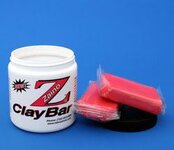
In addition to the Z-18 Clay Bar you need to use a lubricant. In this case we will be using Meguiars Last Touch as seen here:
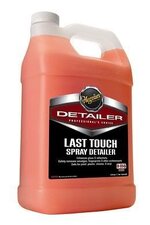
You will also need to pour the Last Touch into an empty spray bottle, i.e Meguiars Last Touch Bottle (excluding Spray Head) and Standard Spray Head.
HOW TO USE THE CLAY BAR
Regardless of which mild clay bar you decide to use, it is imperative to use on a clean surface straight after washing your car. If there are any dirt deposits on your car then it is highly likely that you will scratch your paintwork while performing this procedure.
1. To begin with you need to pull need the clay bar to get it nice and soft. Once you have done this, we are then ready to begin.
2. Spray the Lubricant solution onto the panel quite liberally. It is important to use enough lubricant as it is quite possible to lightly scratch the surface if under lubricated.
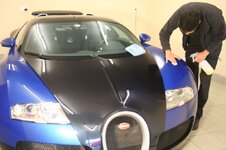
3. Now with your clay bar, gentley rub onto the surface in back and forth motions. Work in 1ft squares and take your time. Keep gliding the claybar across the wet surface until you can feel it is all nice and smooth. This is illustrated below:
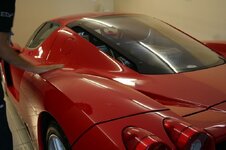
4. Now with a clean Elite Detailer Ultimate Microfibre Towel wipe the surface.
5. Now “re-need” by refolding and pulling to create a clean side of the clay bar ready for the next section and repeat step “3” on the next part of the panel. This can been seen again below:
It is important to to not reuse the clay bar once it has been soiled and I prefer to throw them away. When it is only slightly soiled it can be used to great effect on cleaning up wheels.
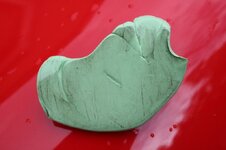
Here is a picture of a clay bar which has been soiled. The example shows the level of dirt which has come off a 2004 996 GT3 in Guards Red:
Performing this process will not only make your car feel a lot smoother but in many cases enhance the appearance.
The clay bar is great for use on glass as well as the paintwork, especially in the corners of the windscreens where so often there is a build of dirt.
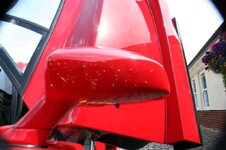
You can also use it to remove imbedded dead flies from the front of your vehicle including the wing mirrors as shown below:
With regards to how often do you need to clay, well in most case twice a year is more than adequate.
Although this process is recommended on all cars of all ages, it is even a more worthwhile procedure for 911's which are slightly older as well as ungaraged vehicles.
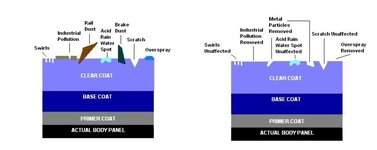
Below is a simple diagram I have knocked up to illustrate what claying can do for your vehicle. Hopefully you will get the general gist of it.
Here is a list of the products which can be used for the above process:
A Beginners Clay Bar Kit
Zaino Z-18 Clay System
Meguiars Last Touch
Meguiars Last Touch Bottle (exc. Spray Head))
Standard Spray Head
Elite Detailer Ultimate Microfibre Towel
Elite Detailer Online Car Care Products http://www.elitedetailer.com
(and other products are available!)
We will be ultimately talking about paintwork contamination and how to remove this from your precious Zed.
The majority of paintwork contamination consists of tiny metallic particles. These particles normally come from the trains (wheels & brakes) as well as normal cars. The tiny bare metal particles are extremely hot and normally found in the air nearer the train tracks. They are basically exposed to the air during the braking of cars and train. Slowly but surely they manage to find their way imbedding themselves into the paintwork of our cars. This is often the case on brand spanking new cars before they even reach the dealership!
The above is a more severe form of paintwork contamination but extremely common.
Tree sap is also a common problem along with general industrial pollution.
On darker vehicles it is normally more difficult to spot the tiny bare metal filings but you can definately feel them. On lighter cars you can often see these particles and are normally brown. They are brown because they have basically oxidized and rusted into your paintwork.
By now you may be worrying that your brand new Z4 is actually slowly rotting away. Well, don’t worry guys, there is a cure as to getting your car back to feeling silky smooth again.
We need to basically perform a “clay bar treatment”.
Ultimately it is possible to compound your cars paintwork to remove such impurities but this is the incorrect procedure. Compounding will also remove unnecessary clearcoat thus “cutting” into your paintwork.
The best solution is a clay bar which will safely and effectively remove rail dust and industrial fallout by "pulling" it off the surface.
It also does not “cut” into your paintwork and will not create any damage if used correctly.
http://www.elitedetailer.com stock a clay bar called Zaino Z-18 Clay System and is pictured below:
In addition to the Z-18 Clay Bar you need to use a lubricant. In this case we will be using Meguiars Last Touch as seen here:
You will also need to pour the Last Touch into an empty spray bottle, i.e Meguiars Last Touch Bottle (excluding Spray Head) and Standard Spray Head.
HOW TO USE THE CLAY BAR
Regardless of which mild clay bar you decide to use, it is imperative to use on a clean surface straight after washing your car. If there are any dirt deposits on your car then it is highly likely that you will scratch your paintwork while performing this procedure.
1. To begin with you need to pull need the clay bar to get it nice and soft. Once you have done this, we are then ready to begin.
2. Spray the Lubricant solution onto the panel quite liberally. It is important to use enough lubricant as it is quite possible to lightly scratch the surface if under lubricated.
3. Now with your clay bar, gentley rub onto the surface in back and forth motions. Work in 1ft squares and take your time. Keep gliding the claybar across the wet surface until you can feel it is all nice and smooth. This is illustrated below:
4. Now with a clean Elite Detailer Ultimate Microfibre Towel wipe the surface.
5. Now “re-need” by refolding and pulling to create a clean side of the clay bar ready for the next section and repeat step “3” on the next part of the panel. This can been seen again below:
It is important to to not reuse the clay bar once it has been soiled and I prefer to throw them away. When it is only slightly soiled it can be used to great effect on cleaning up wheels.
Here is a picture of a clay bar which has been soiled. The example shows the level of dirt which has come off a 2004 996 GT3 in Guards Red:
Performing this process will not only make your car feel a lot smoother but in many cases enhance the appearance.
The clay bar is great for use on glass as well as the paintwork, especially in the corners of the windscreens where so often there is a build of dirt.
You can also use it to remove imbedded dead flies from the front of your vehicle including the wing mirrors as shown below:
With regards to how often do you need to clay, well in most case twice a year is more than adequate.
Although this process is recommended on all cars of all ages, it is even a more worthwhile procedure for 911's which are slightly older as well as ungaraged vehicles.
Below is a simple diagram I have knocked up to illustrate what claying can do for your vehicle. Hopefully you will get the general gist of it.
Here is a list of the products which can be used for the above process:
A Beginners Clay Bar Kit
Zaino Z-18 Clay System
Meguiars Last Touch
Meguiars Last Touch Bottle (exc. Spray Head))
Standard Spray Head
Elite Detailer Ultimate Microfibre Towel
Elite Detailer Online Car Care Products http://www.elitedetailer.com