

 Scottish Borders
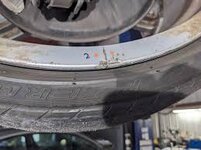
Fault Description: the alloy wheel cracks on the inside edge between the rim and the tyre
Models / Versions affected: BMW 326M and 296 are the main versions, other BMW E89 18” and 19” versions possibly affected.
Symptoms: The usual symptom is a slow loss of air pressure triggering low pressure warning or flat tyre monitor or pressure sensors. This typically occurs over several days. Because it’s the inside edge of the alloy wheel it’s very difficult to ascertain an issue without removing the wheel from the car.
Causes: there are several causal factors in the cracking of these wheels:
Cast alloy wheel.
Wide unsupported rim. The inside rim is unsupported and is subject to much greater mechanical stress. The wider rear rim is evidence of this failure mode as its more frequently cracked.
The use of the original equipment Bridgestone Potenza run flats. The very stiff tyre wall and high pressures transmit road shocks directly to the casting.
The use of 18” and 19” low profile tyres excluding run flats.
Hitting potholes of any type.
Going over domed shaped road humps with the inside edge of the wheel on the rising section.
Given alloy wheels are castings, cumulative stress overtime from any or all of these factors will increase the probability of such cracks.
Frequency of occurrences: this is a common occurrence and is increasing with time as the age of the cars and frequency of use contributes to the failure rate. The rear alloy wheels are more prone to failure as they are wider but front alloys also suffer from this problem to a lesser extent. Later BMW 296 alloy wheels had a thickened inside lip to try and address this issue however it’s being reported that even these versions still crack.
Corrective Options: replacement of the alloy wheel is the primary preferred option .New and used wheels are available. It is possible Weld the crack however successful welding techniques require the skilful welding and in addition suitable annealing processes. Unskilled welding and a lack of annealing typically will result in further cracks adjacent to the original crack caused by heat distortion and damage to the casting structure.
Other options include replacing these versions of BMW hollow wheels with either BMW forged alloy wheels such as 437M or aftermarket wheels that are through design or using such techniques as flow forming and forging.
The use non run flat tyres will improve will reduce the probability of cracking but does not obviate it, there are many documented examples of non-run tyred alloy wheels cracking.
The use of non-run flat tyres with a higher profile typically 224/40 19 and 255/35 19 will make a marked difference to the probability of cracking. Wheel refurbishers note that the same alloy on different versions of a manufacturer’s car With the slight increase in profile have a significant reduction in cracking and bending.
Typical costs of correction: a proper welding repair will probably cost in the region £100-£200 per wheel, taking into account removal of the tyre the weld itself and any cosmetic correction. New BMW alloy wheels Retail Typically between £400-£700 each and used in in good condition £200-£300 pounds each.
Complete sets of suitable aftermarket wheels start at around £600.
Recommendations: Owners should avoid purchasing any used hollow wheel that has had a crack repaired. There is a very high probability that welded repair although will crack sooner rather than later.
Additional information: There are very few documented cases of complete structural failure resulting from these cracks.
Information provided by Peter Bondar is an extract from his forthcoming book “The BMW Z4 2009-2016: The definitive guide to owning, operating, maintaining, upgrading and enjoying the BMW Z4 E89” to be published in 2026. All sources are acknowledged and various subject matter experts contributions are gratefully acknowledged. This material is copyright Peter Bondar 2025. Prices correct in the UK at the time of document creation. Information and advice provide is the most considered at the time. No liability is accepted under any circumstances in the interpretation or use of this information.
Models / Versions affected: BMW 326M and 296 are the main versions, other BMW E89 18” and 19” versions possibly affected.
Symptoms: The usual symptom is a slow loss of air pressure triggering low pressure warning or flat tyre monitor or pressure sensors. This typically occurs over several days. Because it’s the inside edge of the alloy wheel it’s very difficult to ascertain an issue without removing the wheel from the car.
Causes: there are several causal factors in the cracking of these wheels:
Cast alloy wheel.
Wide unsupported rim. The inside rim is unsupported and is subject to much greater mechanical stress. The wider rear rim is evidence of this failure mode as its more frequently cracked.
The use of the original equipment Bridgestone Potenza run flats. The very stiff tyre wall and high pressures transmit road shocks directly to the casting.
The use of 18” and 19” low profile tyres excluding run flats.
Hitting potholes of any type.
Going over domed shaped road humps with the inside edge of the wheel on the rising section.
Given alloy wheels are castings, cumulative stress overtime from any or all of these factors will increase the probability of such cracks.
Frequency of occurrences: this is a common occurrence and is increasing with time as the age of the cars and frequency of use contributes to the failure rate. The rear alloy wheels are more prone to failure as they are wider but front alloys also suffer from this problem to a lesser extent. Later BMW 296 alloy wheels had a thickened inside lip to try and address this issue however it’s being reported that even these versions still crack.
Corrective Options: replacement of the alloy wheel is the primary preferred option .New and used wheels are available. It is possible Weld the crack however successful welding techniques require the skilful welding and in addition suitable annealing processes. Unskilled welding and a lack of annealing typically will result in further cracks adjacent to the original crack caused by heat distortion and damage to the casting structure.
Other options include replacing these versions of BMW hollow wheels with either BMW forged alloy wheels such as 437M or aftermarket wheels that are through design or using such techniques as flow forming and forging.
The use non run flat tyres will improve will reduce the probability of cracking but does not obviate it, there are many documented examples of non-run tyred alloy wheels cracking.
The use of non-run flat tyres with a higher profile typically 224/40 19 and 255/35 19 will make a marked difference to the probability of cracking. Wheel refurbishers note that the same alloy on different versions of a manufacturer’s car With the slight increase in profile have a significant reduction in cracking and bending.
Typical costs of correction: a proper welding repair will probably cost in the region £100-£200 per wheel, taking into account removal of the tyre the weld itself and any cosmetic correction. New BMW alloy wheels Retail Typically between £400-£700 each and used in in good condition £200-£300 pounds each.
Complete sets of suitable aftermarket wheels start at around £600.
Recommendations: Owners should avoid purchasing any used hollow wheel that has had a crack repaired. There is a very high probability that welded repair although will crack sooner rather than later.
Additional information: There are very few documented cases of complete structural failure resulting from these cracks.
Information provided by Peter Bondar is an extract from his forthcoming book “The BMW Z4 2009-2016: The definitive guide to owning, operating, maintaining, upgrading and enjoying the BMW Z4 E89” to be published in 2026. All sources are acknowledged and various subject matter experts contributions are gratefully acknowledged. This material is copyright Peter Bondar 2025. Prices correct in the UK at the time of document creation. Information and advice provide is the most considered at the time. No liability is accepted under any circumstances in the interpretation or use of this information.

 At the summit of the picturesque fens